12 simple fall changes, from thermostat settings to ceiling fans, that lower your Houston energy bill without letting humidity back into your home.
Fall in Houston doesn’t arrive all at once. It shows up as a front on a Tuesday night, a 58 degree morning, and an afternoon that still climbs to 84. For most homes, it’s the only stretch of the year when the system finally gets a rest.
We think it’s the best time to make a few small changes. None of them require new equipment. Most take less than 5 minutes. Together, they set your home up for a lower bill this winter and a system that’s ready when the first real cold comes through.
Here are 12 we recommend to every client.
1. Let the Thermostat Follow the Season, and Watch the Humidity
On cold nights after a front, the Department of Energy suggests about 68 degrees while you’re home and awake, and lower while you sleep or you’re away. Setting it back 7 to 10 degrees for 8 hours a day can cut heating and cooling costs by as much as 10% a year.
Houston adds a catch. On warm, sticky fall days, your system isn’t running much, and that means it isn’t pulling moisture out of the air either. Raise the setting too far while you’re gone and you can come home to damp air and a musty smell. Keep indoor humidity under 60%. An inexpensive hygrometer, or a thermostat that shows humidity, will tell you where you stand. If your home stays above 60% with the system running normally, ask us about a whole-home dehumidifier. It removes moisture on its own, so you can set back the temperature without giving up the air.
2. Go Easy on a Heat Pump
Many homes in West Houston heat with a heat pump. If yours does, skip the big setbacks. When a heat pump has to recover several degrees on a cold morning, it can call on its backup electric heat, which costs far more to run. Keep the change to a few degrees, or use a thermostat built for heat pumps that warms the home gradually. Not sure what you have? Look at the outdoor system on a cold day. If it’s running while the heat is on, it’s a heat pump.
3. Reverse Your Ceiling Fans
In summer, fans spin counterclockwise to push air down. In fall and winter, switch them to clockwise on low. That moves the warm air collecting near the ceiling back down into the room. Most fans have a small switch on the housing. It takes a step stool and 10 seconds. And when you leave the room, turn the fan off. Fans move air. They don’t change the temperature.
4. Change the Filter Before the First Front
A dirty filter makes every system work harder for the same result. Check it monthly and replace it at least every 3 months. If you’d rather not think about it, order the right size from us at beedeacandheat.com/service/air-filters-online and we’ll ship it to your door.
5. Open the Windows After a Front, Not Before
Fall air in Houston often feels pleasant and still carries a lot of moisture. Open the windows on a sticky evening and that humidity comes inside, where your system has to remove it later. Wait for a front. When the dry air settles in behind it, open the windows and let the home air out for free.
6. Let the Sun Do Some of the Work
On cool, sunny days, open the blinds on south-facing windows and let the light warm the room. Close them at night to hold that heat in.
7. Keep Every Vent Open
Closing vents in unused rooms feels like it should save energy. It doesn’t. It raises pressure in the ductwork, pushes air out through leaks, and makes the system work harder. Leave them open and keep furniture and rugs off them.
8. Clear the Outdoor System
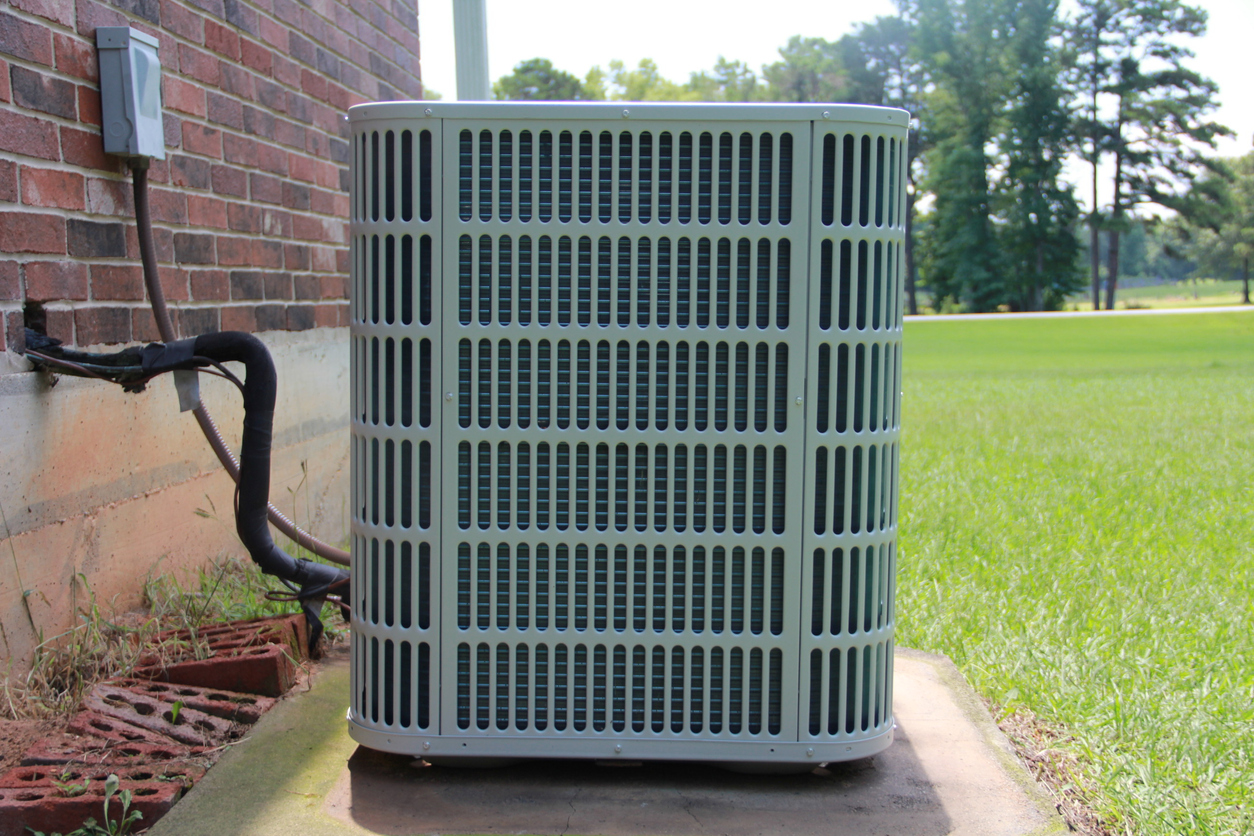
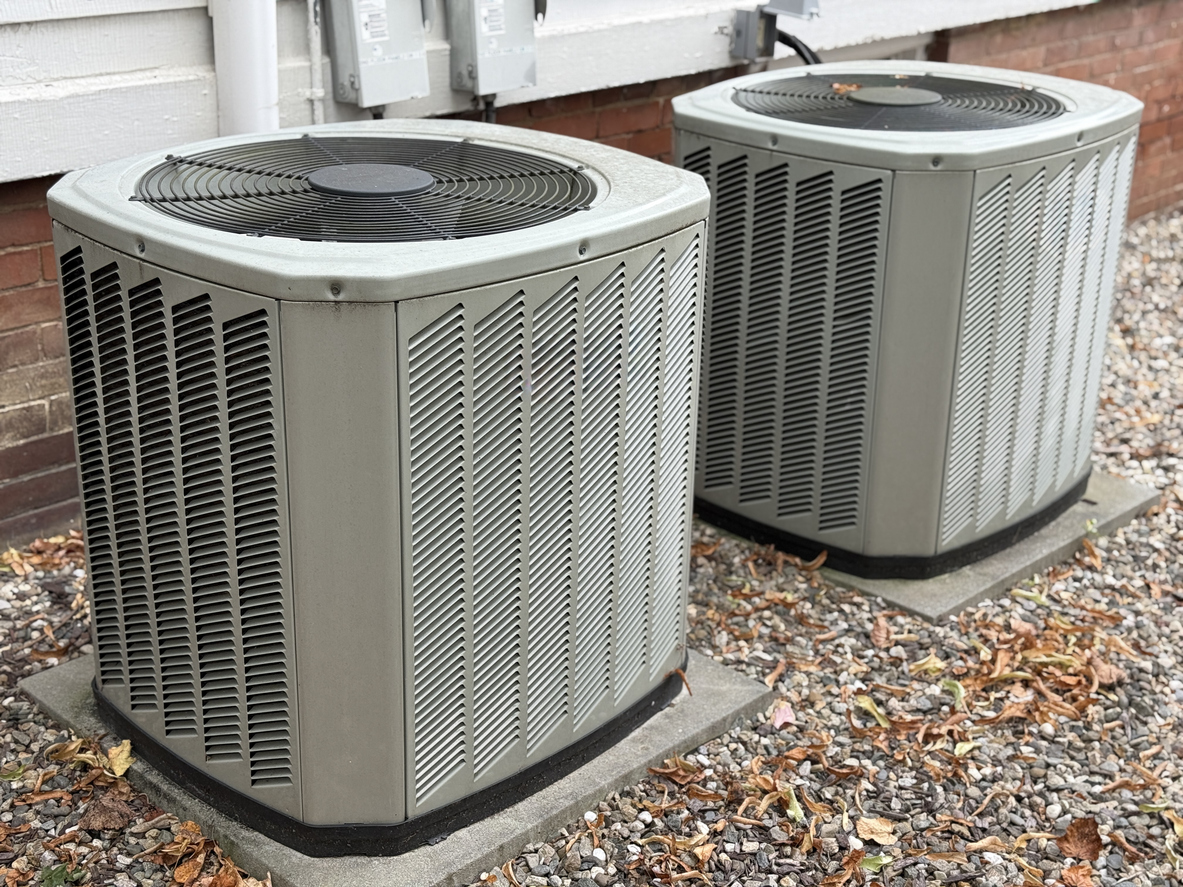
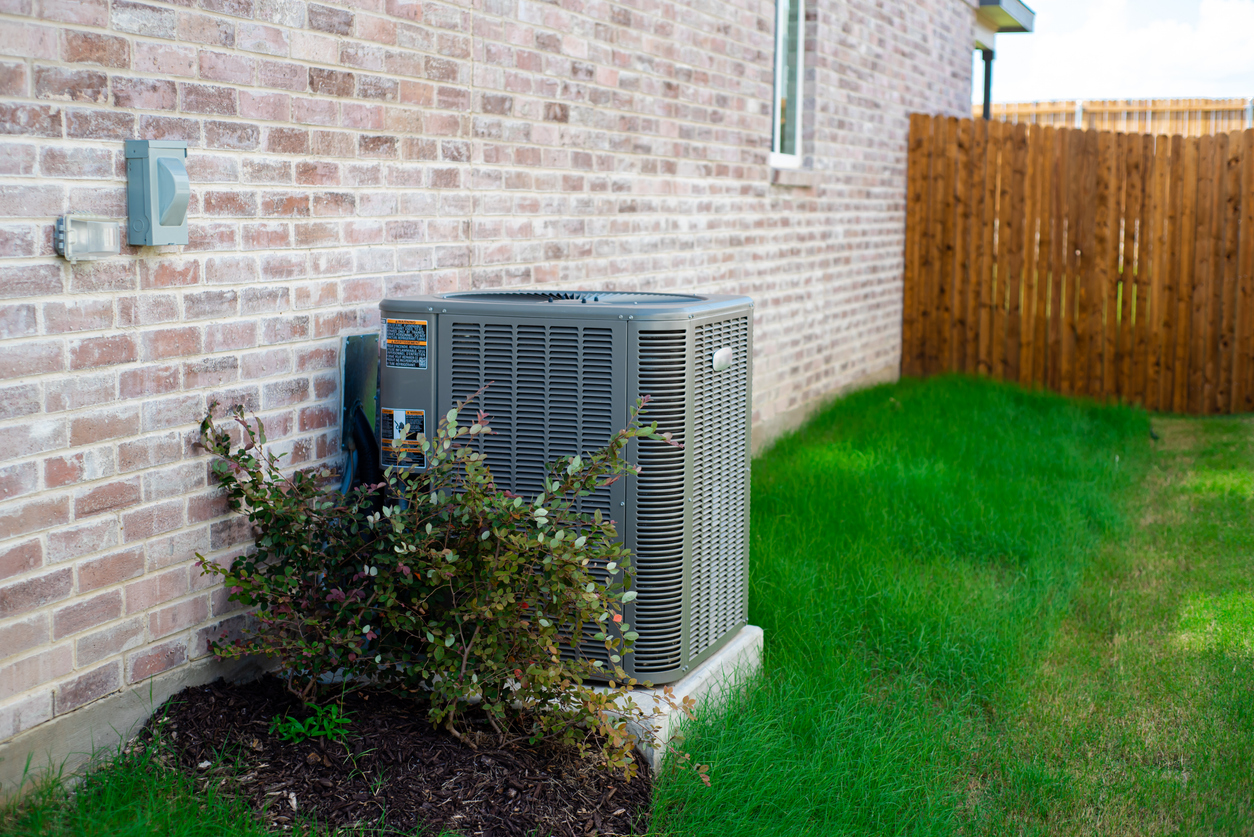
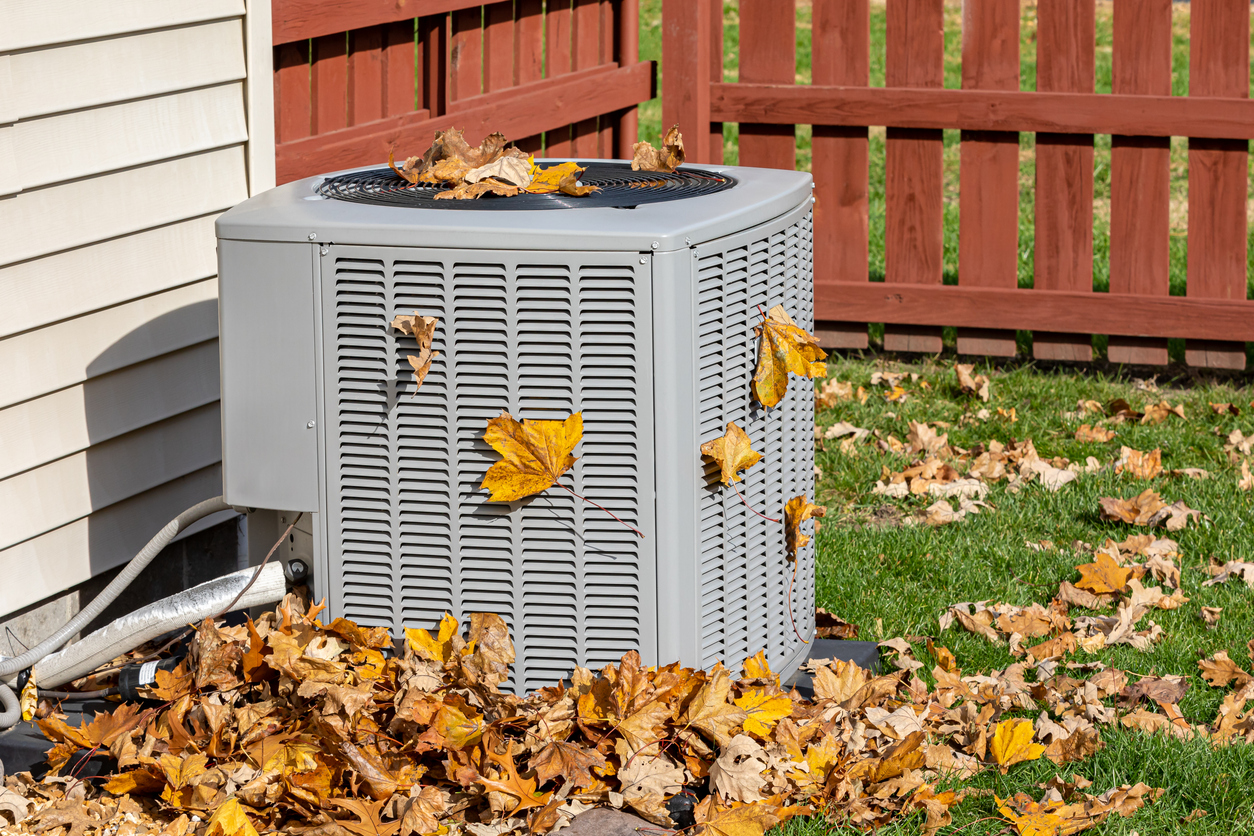
Leaves, pine needles, and patio furniture tend to gather around the outdoor system this time of year. Keep 2 feet clear on every side. A heat pump runs outside all winter, and it needs open air to do its job.
9. Seal the Small Gaps
On a cold night, hold your hand near the bottom of an exterior door. If you feel air moving, that’s heat leaving. A door sweep, fresh weatherstripping, and a bead of caulk around drafty windows cost very little and pay back every month.
10. Turn the Water Heater Down to 120
Many water heaters are set hotter than any household needs. 120 degrees is enough for most homes, saves energy every day, and lowers the risk of scalding.
11. Expect a Smell the First Time the Heat Runs
The first time your heat comes on, you may notice a burning smell for a few minutes. That’s dust burning off after months of sitting idle. It should fade quickly. If it doesn’t, turn the system off and call us. If your home has gas heat, press test on every carbon monoxide detector before the season starts.
12. Schedule Heating Maintenance Now
This is the step you can’t do yourself. A Beede tech tests the capacitor against factory specs, checks the temperature split between supply and return, inspects the disconnect and drain pan, and gives you an honest assessment of your system’s age and condition in writing. Maintenance is $109 for the first system and $59 for each additional. Beede Preferred members, your heating visit window is open now through December 15.
Call 281-222-9591 or book online at beedeacandheat.com.
We’ve taken care of homes across Katy and Houston since 2010. Same family, same standard. Small things, done well, add up. We hope these help.
© 2026 Beede AC & Heating LLC. All rights reserved.
Electrical services by Beede Electrical LLC, TECL 93748.