The most common question we get. Here is the framework we actually use on service calls, including when repair is clearly the better value.
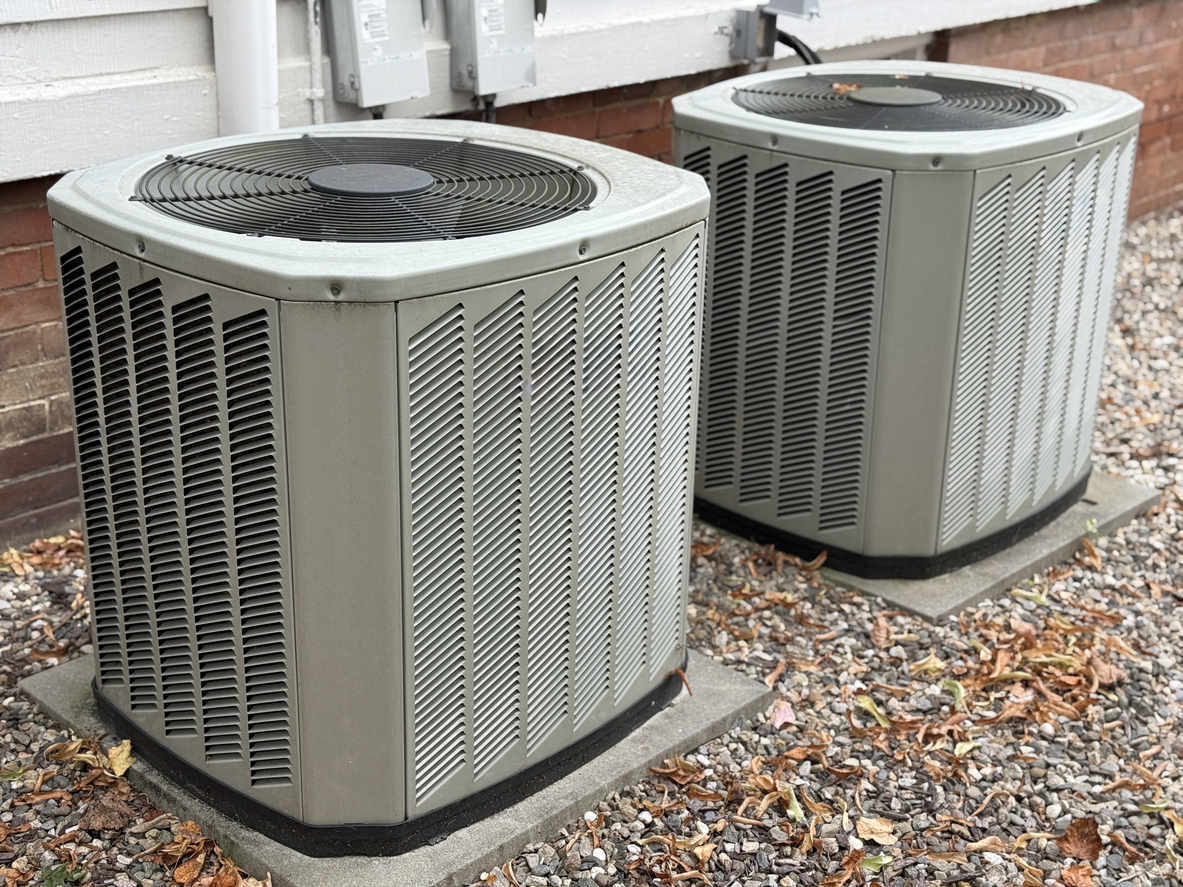
This is the question we get asked more than any other, and the honest answer is that it depends on a handful of specific factors rather than one rule. Here is how we actually work through it on a service call.
A well maintained system lasts 12 to 15 years in this climate. Texas heat is hard on equipment, so a unit here works considerably harder than the same model in a milder state. Under 10 years old, repair is almost always the right call. Past 15, you are usually spending money on a system that will need something else next season.
If your system runs on R-22, that is a strong argument for replacement. R-22 was phased out and is no longer produced, so the supply that remains is expensive and shrinking. A refrigerant leak on an R-22 system can cost more to recharge than the repair itself is worth.
One repair is normal. Three significant repairs in two years is a pattern. An HVAC system has a lot of parts that wear at roughly the same rate, so when components start failing in sequence, the rest are usually not far behind. Money spent on the third repair often would have been better applied to a new system.
Most repairs fall into two groups. Capacitors, contactors, fan motors and drain problems are normal wear items, and fixing them on a healthy system is straightforward. A failed compressor or a leaking evaporator coil is a different conversation, especially on a system past 10 years old. Even when the part is still under a manufacturer's parts warranty, the labor and refrigerant are not, and that bill can be a meaningful share of a new system.
A useful rule of thumb: if the repair costs more than a third of a replacement, and the system is past 10 years old, replacement usually wins. Below that threshold, repair is generally the better value.
Efficiency standards have moved a long way. An older system running at low efficiency can add meaningfully to a summer electric bill in this area. Over the remaining life of an aging unit, that difference adds up, and manufacturer rebates on new equipment can close part of the upfront gap.
New central air systems now use lower-impact refrigerants such as R-454B or R-32, after EPA rules began phasing R-410A out of new equipment in 2025. That does not make your current R-410A system obsolete: it can still be repaired and recharged. It does matter if someone suggests replacing only half of the system, because a new outdoor unit and an old indoor coil may not be designed for the same refrigerant.
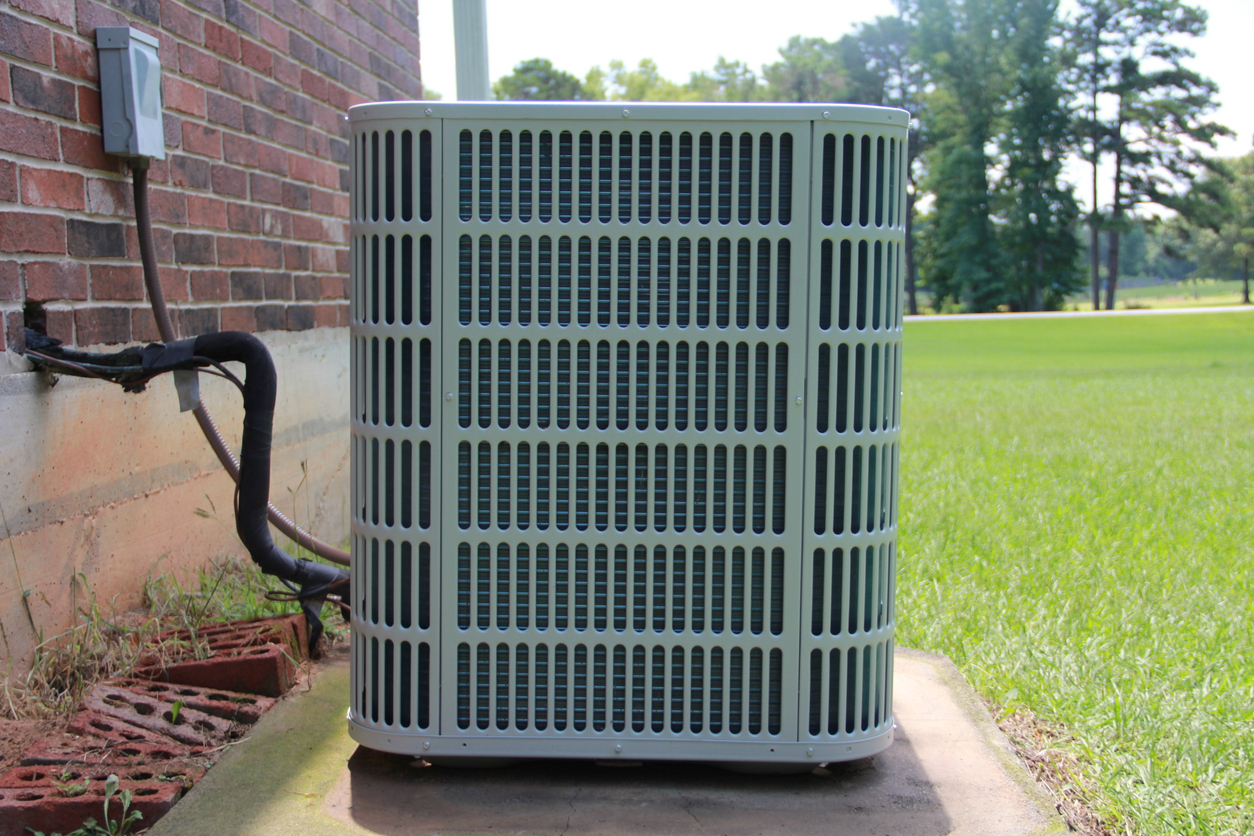
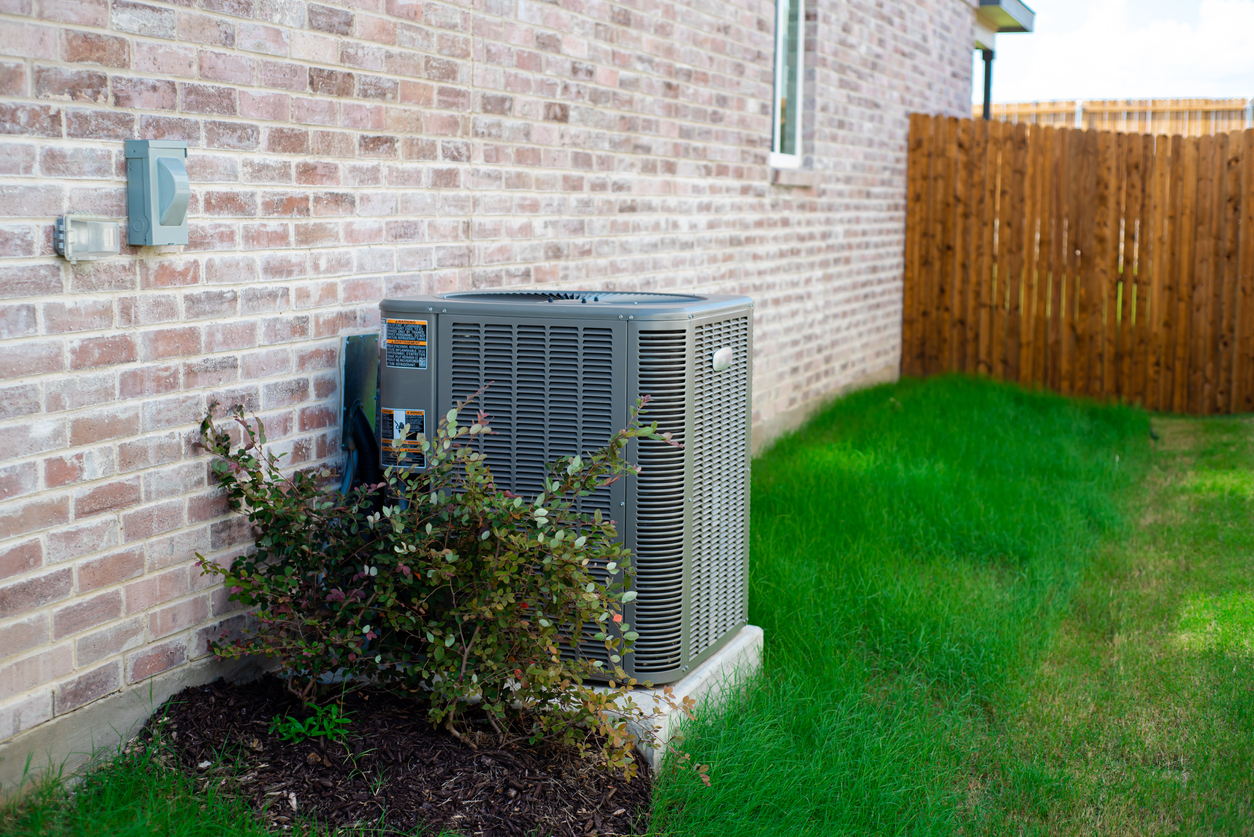
The outdoor condenser and the indoor coil are engineered and rated as a matched pair. Swapping one half usually leaves you with a system that cannot reach its rated efficiency, may not carry the full manufacturer warranty, and in some cases cannot use the same refrigerant at all. When replacement is the right call, we quote a complete matched system: condenser, coil, and furnace or air handler.
Newer system, first real failure, common part, and the unit has been reliable otherwise. Capacitors, contactors and blower motors are all normal wear items and replacing them on a healthy system is straightforward.
Estimates on complete matched systems are free. We install Ruud, American Standard and LG, and financing is available on full replacements.
If you are unsure, get the age, model and repair history in front of someone before you decide. Any honest contractor will tell you when repair is the better option, and you should be suspicious of anyone who reaches for replacement first.
A well-maintained system typically lasts 12 to 15 years here. Long cooling seasons, humidity and attic installations are hard on equipment, and skipped maintenance shortens that range.
It depends on what failed. A capacitor or contactor is usually worth fixing. A failed compressor or leaking coil on a 15-year-old system usually is not.
We do not recommend it. Mismatched equipment rarely reaches its rated efficiency and can create warranty and refrigerant compatibility problems.
No. Estimates on complete matched systems are free. The $99 diagnostic is for when a system is down and we need to find out what is wrong.
Our diagnostic is a flat $99, and we quote the repair before we start. If replacement makes more sense, we will show you why. See AC repair and AC installation, book online, or call 281-222-9591.
© 2026 Beede AC & Heating LLC. All rights reserved.
Electrical services by Beede Electrical LLC, TECL 93748.



.svg)
%20(1).png)

.svg)


