Most air conditioners warn you before they quit. Here are the five signals worth acting on before you end up without cooling in August.
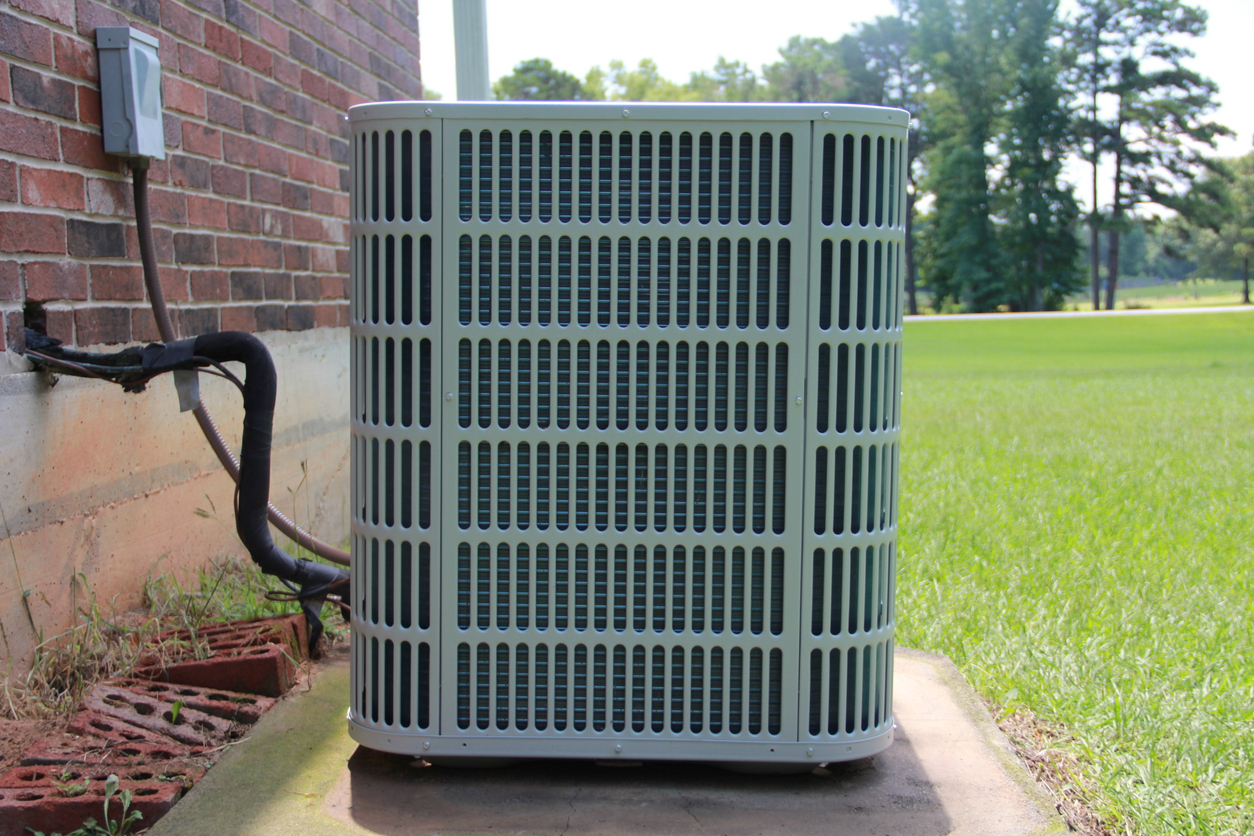
A Texas summer punishes an air conditioner. By August your system has been running almost non-stop for four months, and small problems that started in May have had plenty of time to turn into breakdowns. The good news is that an AC almost always warns you before it quits.
If the thermostat says 74 and the air coming out feels room temperature, something is wrong with the cooling cycle itself. Usually it is low refrigerant from a leak, a failing compressor, or a frozen evaporator coil. This is not a wait-and-see problem, running a system in this state can damage the compressor, which is the single most expensive part to replace.
A properly sized system should reach the set temperature and shut off. If yours runs all afternoon without a break, it cannot keep up. Sometimes that means a dirty filter or blocked condenser. Sometimes it means the system is undersized for the house, which matters a lot in Katy where plenty of homes have had additions built on.
Your AC pulls a surprising amount of humidity out of Texas air, and that water has to drain somewhere. A clogged condensate line backs up into the drain pan and then onto your floor or ceiling. We see this constantly, and it is one of the most common causes of attic water damage in this area.
Many systems have a float switch that shuts the AC off when the drain pan fills. If your system stopped on a humid afternoon and there is water in the pan, that is probably what happened, and clearing the drain is the fix.
Compare this month to the same month last year, not to last month. If usage is similar but the bill climbed noticeably, the system is working harder to do the same job. That is a maintenance issue long before it is a replacement issue.
Grinding, squealing, or a hard clunk on startup all point to mechanical wear, usually in the blower motor or compressor. A rattle is often just a loose panel. Either way, a noise that was not there last year is worth a look.
If a breaker trips again right after you reset it, leave it off and call. That points to an electrical fault in the system, and repeated resets can damage the compressor.
Our diagnostic is a flat $99, and you know that number before we arrive. It covers refrigerant charge, electrical components, airflow, condensate drainage and thermostat operation. We quote the repair before we start any work. Most summer calls in Katy come down to a capacitor, a contactor or a clogged condensate drain.
Call right away if the house is losing cooling on a hot day with someone vulnerable at home, water is coming through a ceiling, you smell burning, or a breaker keeps tripping. A new noise on a system that is still cooling, or a bill that has crept up, can usually wait for a scheduled visit, but do not let it go all summer.
Change your filter first, it is free and it solves more problems than people expect. If the symptom is still there after a fresh filter and a clear condensate line, call someone. Catching a failing capacitor costs a fraction of what a seized compressor does.
If your system is older and repairs are starting to stack up, read AC repair or replace: how to decide before you spend money.
The most common causes are a dirty filter, a frozen coil, a failed capacitor or fan motor on the outdoor unit, or low refrigerant from a leak. Check the filter and the outdoor unit first, then call for a diagnostic.
Usually a clogged condensate drain line. The water backs up into the drain pan and overflows. Clearing and treating the line fixes it, and a float switch helps prevent ceiling damage next time.
Turn it off right away; running a frozen system can damage the compressor. Once it thaws, replace the filter and try again. If it freezes a second time, call for service.
Ours is a flat $99, quoted before we come out. Beede Preferred members pay $49.
Same-day and next-day appointments are available across Katy, Cypress, Richmond and West Houston. See AC repair, book online, or call 281-222-9591.
© 2026 Beede AC & Heating LLC. All rights reserved.
Electrical services by Beede Electrical LLC, TECL 93748.



.svg)
%20(1).png)

.svg)


