Nothing is obviously broken, so maintenance feels optional. Here is what skipping it actually costs over the life of a system.
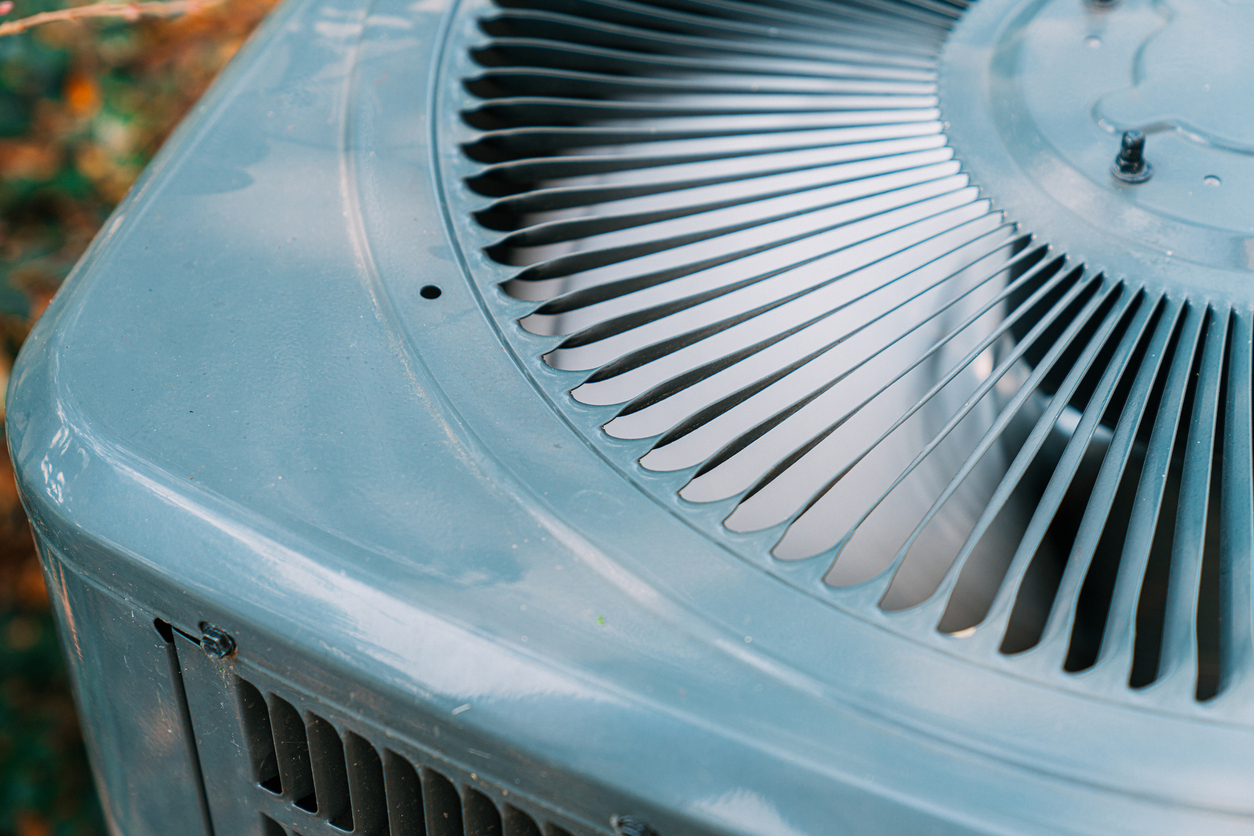
An annual tune-up is an easy thing to skip. Nothing is obviously broken, so spending money on maintenance feels optional. The case for it is not that something will fail tomorrow, it is that maintenance changes the odds and the numbers over years.
A capacitor is a small, inexpensive part that fails regularly in this heat. Caught during a tune-up, it is a minor line item. Failed on a Saturday in July, it becomes an emergency call plus the part, and you spend the weekend without cooling. Most expensive HVAC failures start as something small and visible.
Condenser coils sit outside collecting dust, grass clippings and cottonwood. Once coated, the system cannot shed heat efficiently, so it runs longer to reach the same temperature. Cleaning coils and checking refrigerant charge restores capacity that has quietly drifted away over a season or two.
The difference between a system that lasts 10 years and one that lasts 15 is mostly maintenance. Running a compressor with low refrigerant, restricted airflow or a failing capacitor puts strain on the most expensive component in the system. Spread across the cost of a replacement, an annual visit is inexpensive insurance.
Most manufacturer warranties expect documented annual maintenance. Skip it for several years and a large claim can be denied, which is an unpleasant discovery to make at the worst possible time.
Here, an air conditioner runs hard for most of the year, so one visit leaves a long gap. We recommend a cooling tune-up in spring, before the heat sets in, and a heating tune-up in fall, before the first cold front. A capacitor that tests fine in March can be weak by August, and a drain line that is clear in April can be growing algae by July. Our maintenance schedule guide lays out the full calendar.
On the cooling side:
On the heating side:
If a tune-up takes fifteen minutes and consists of someone glancing at the unit, it was not a tune-up. A proper visit takes closer to an hour.
Our tune-up is $109 for your first system and $59 for each additional system, and two- and three-system homes are common in Katy. Compare that with a no-cool call in July: the diagnostic, the part, and often a weekend without cooling while you wait. Most of the expensive failures we see, like a compressor that overheated running on a weak capacitor or a ceiling stained by an overflowing drain pan, started as something a tune-up would have caught.
If you want maintenance handled automatically, Beede Preferred covers two tune-ups a year for $22 a month or $222 a year, plus $49 diagnostics, 10% off repairs, priority scheduling and a yearly loyalty credit toward your next system.
Any of these is worth a call before it becomes a breakdown. See 5 signs your AC is about to fail for more.
Spring, before cooling season, is ideal for the AC side, and fall for heating. Booking in the shoulder months also means you are not competing with everyone whose system just failed in a heat wave.
Yes. Most manufacturer warranties expect documented maintenance, and the first year is when installation problems like a poorly sloped drain or a loose connection show up.
Plan on about an hour per system. Multi-system homes take longer, and we do all of them in the same visit.
Yes. We install Ruud, American Standard and LG, and we service every major brand.
A tune-up is preventive: cleaning, testing and adjusting a working system. If we find a failed or failing part, we explain it and quote the repair before doing any work.
Book an AC tune-up or a heating tune-up online, or call 281-222-9591.
© 2026 Beede AC & Heating LLC. All rights reserved.
Electrical services by Beede Electrical LLC, TECL 93748.



.svg)
%20(1).png)

.svg)


