Twice a year, not once. The maintenance schedule I use for Katy, Cypress and Memorial homes, and what each visit should include.
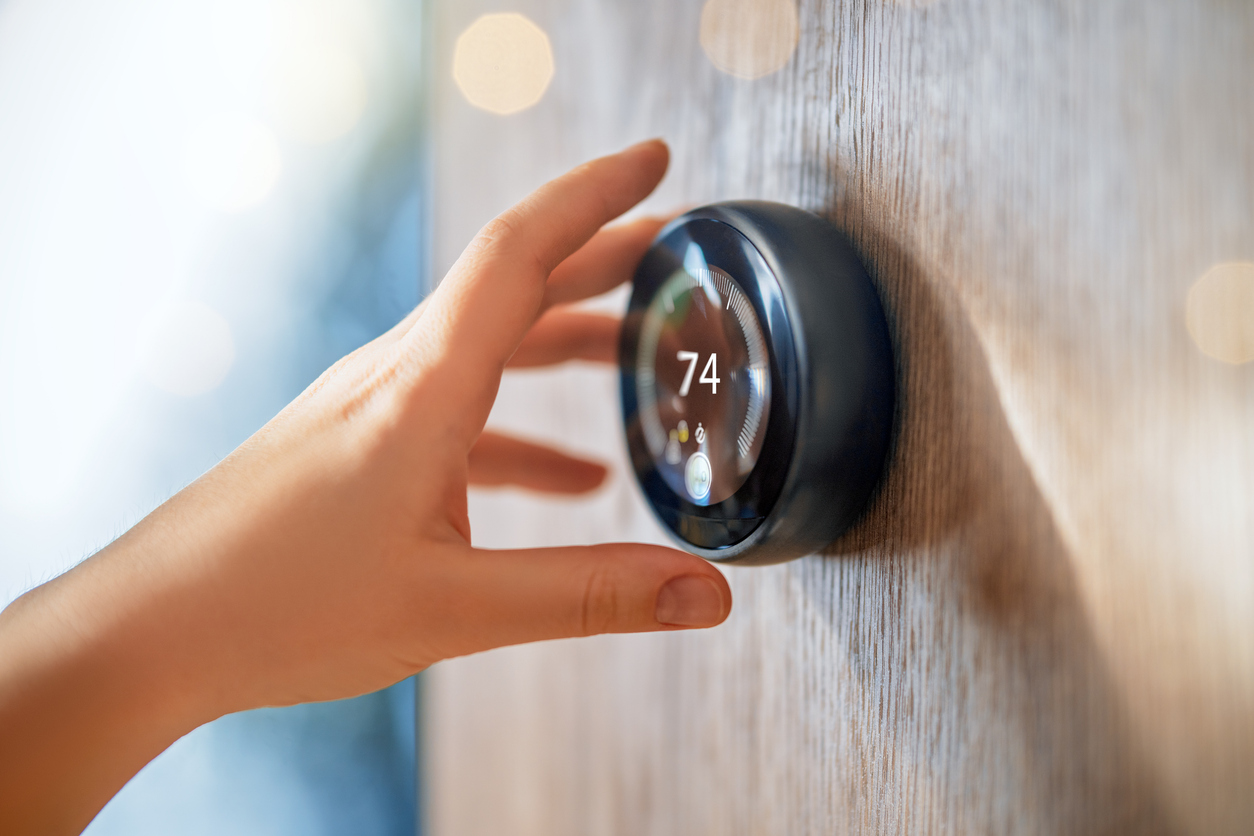
If you live in Katy, Cypress, or Memorial, annual AC service is not enough. I recommend a professional tune-up twice a year: once in spring before the long cooling season and once in fall before the system changes over to heat. Houston’s heat, humidity, rain, and pollen load the equipment differently than a dry climate.
The homeowner part is simple: replace the filter every 30–60 days and watch the drain. The professional part is where breakdown prevention happens. Our maintenance plan is built around the measurements that show a small problem before it becomes a Saturday emergency.
A one-inch filter in a busy home with pets, kids, or construction dust may be dirty in 30 days. A clean, low-restriction filter is safer than a thick “miracle” filter that starves the blower for air. If the filter bows inward, whistles, or turns gray fast, check it sooner. Write the date on the cardboard edge so you are not guessing.
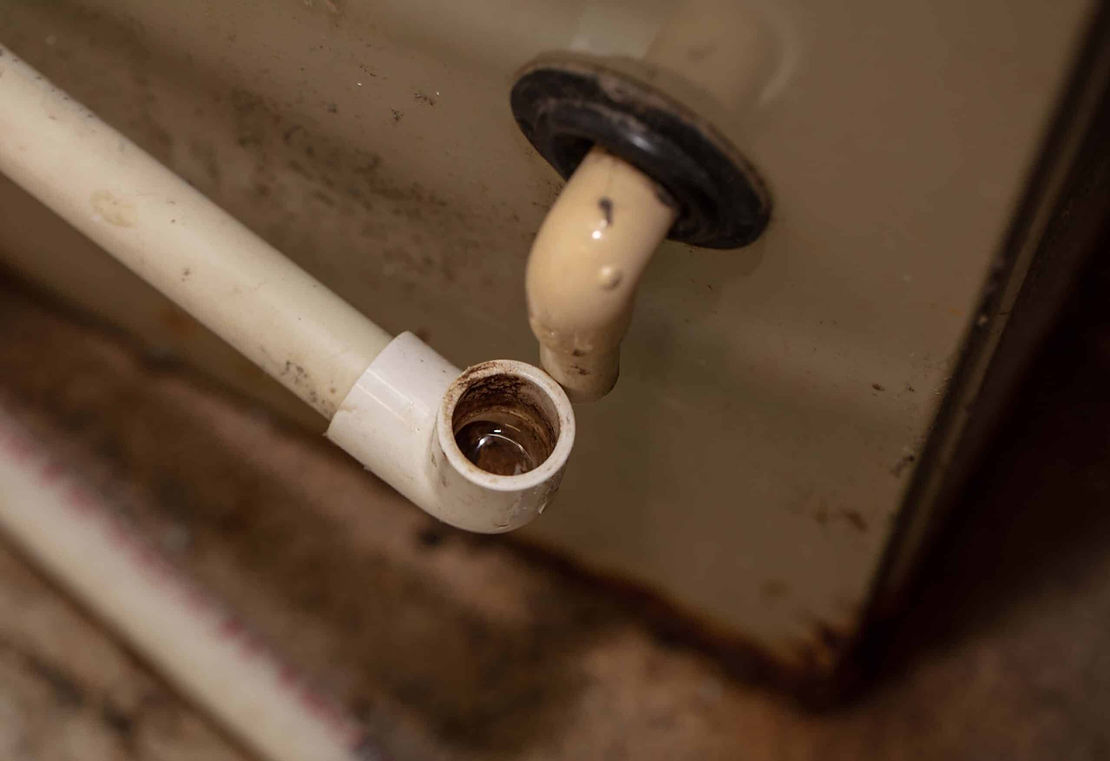
Houston air conditioners remove gallons of water every week. That moisture leaves through the condensate line, and algae or slime can build up inside it. On each maintenance visit I check the line for flow, inspect the drain pan, verify the float safety switch, and treat the line to keep biological growth from forming a clog. That treatment is the preventive part — it stops the blockage from happening rather than clearing one after the fact. This matters most in Old Katy, Firethorne, Fairfield, and Coles Crossing homes with attic air handlers, where a blocked drain can trip a float switch, shut down cooling, or overflow into a ceiling.
Homeowners can look for water around the indoor unit, a full secondary pan, or an AC that suddenly stops on a humid day. Do not pour random chemicals into the line; the wrong product can damage components or create a mess. Call for an AC repair visit if the pan is wet.
Spring service is about cooling capacity and drainage. Fall service is about safe heating operation and making sure the equipment is ready for another year. Both include a visual inspection, but a real tune-up is not just spraying the outdoor coil and handing you a sticker.
Here is what I check in our maintenance work:
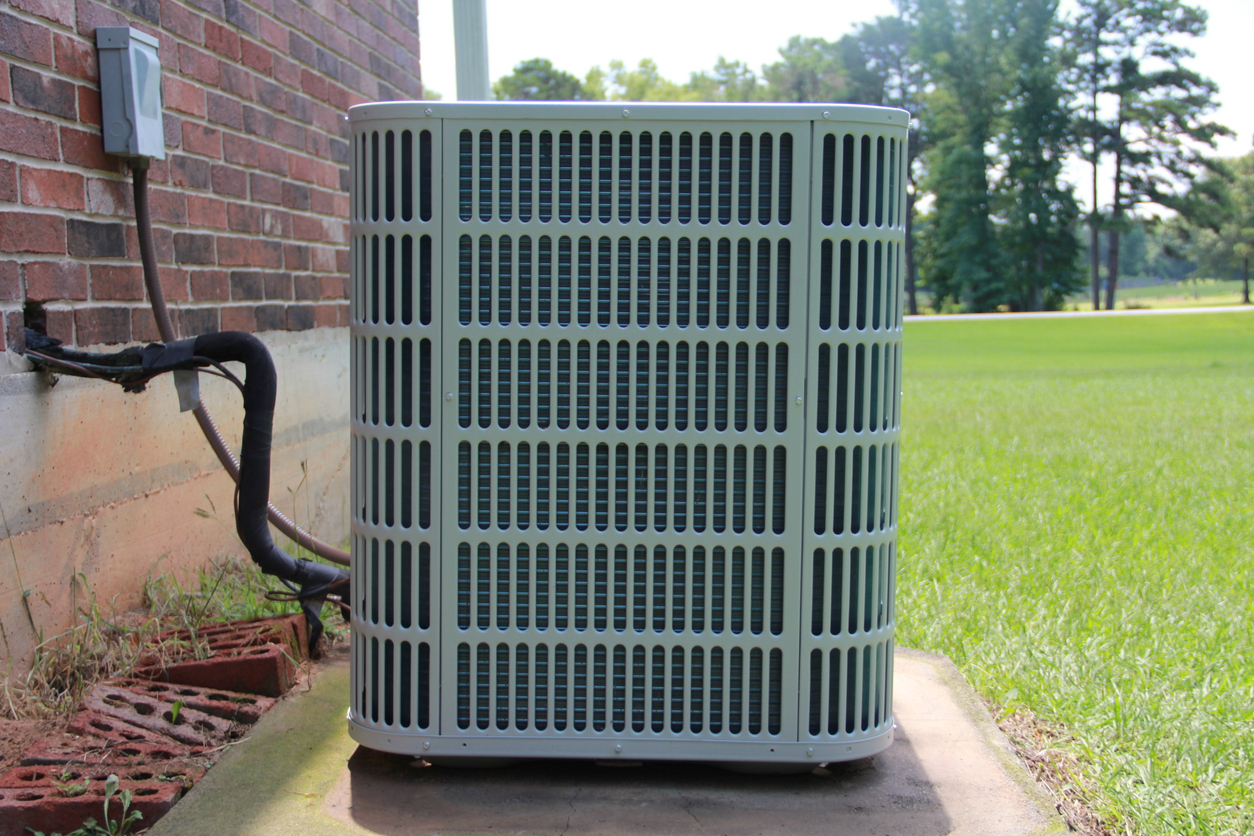
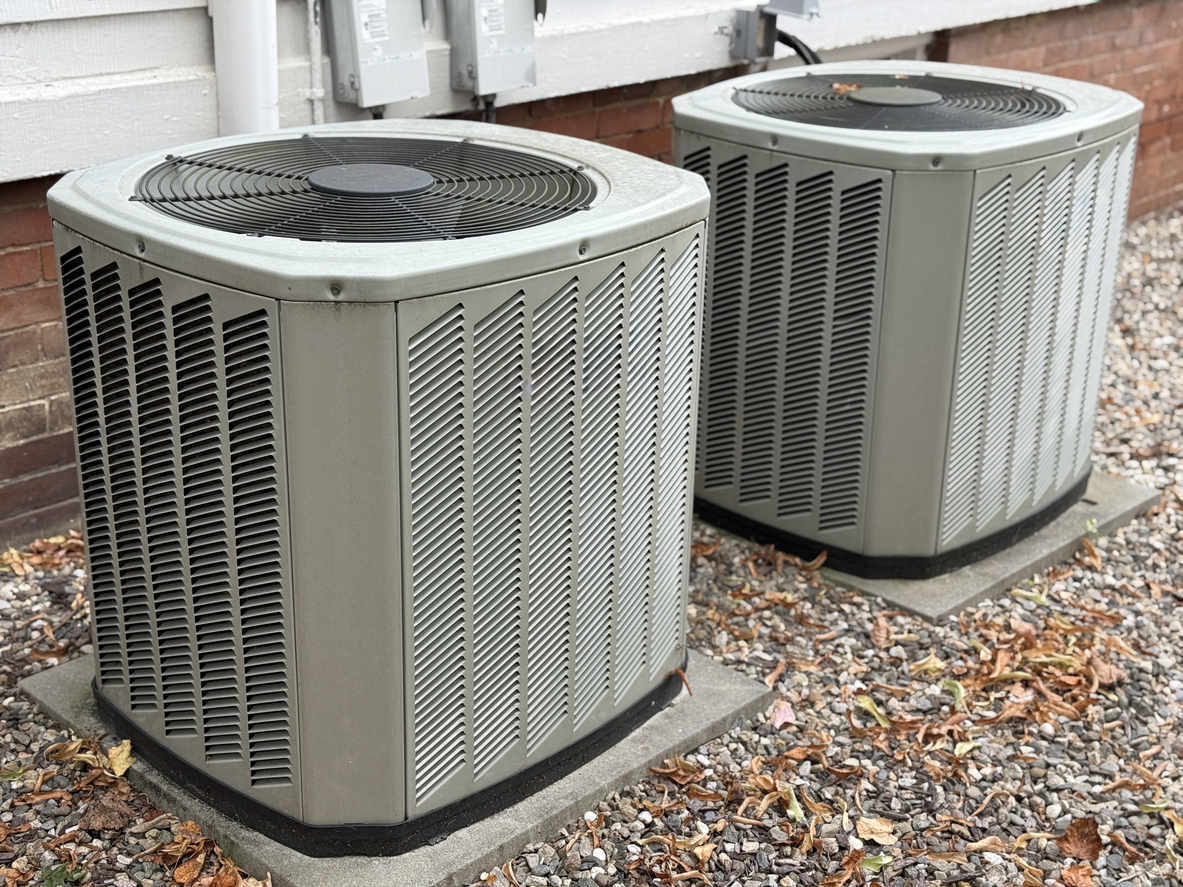
A capacitor can test fine in March and be weak by August after months of high run time. A drain line can be flowing in April and start growing algae by July if it was not treated at the spring visit. The outdoor coil can load up with pollen, cottonwood, grass clippings, and landscape debris. That is why I do not sell the “once a year and forget it” story.
Maintenance is also the easiest time to protect warranty eligibility. Many manufacturers expect reasonable upkeep, and documentation helps if a compressor or coil claim comes up later. Keep the invoices and make sure the model and serial number are correct on the report.
A tune-up cannot repair a leaking coil, restore a worn compressor, or make an oversized system dehumidify correctly. It can find those conditions early. I do not “top off” refrigerant without looking for the leak; refrigerant is sealed in the system, so a recurring low charge needs an explanation.
It also cannot fix a duct system that is too restrictive. If bedrooms in your Cinco Ranch or Memorial home are warm, if the blower is loud, or if the filter gets dirty unusually fast, ask for static-pressure testing. That tells us whether airflow—not refrigerant—is the real problem.
Put a filter reminder on the first of every other month. Schedule cooling service in February through April, before the first real 90° stretch. Schedule heating service in October or November. If your unit is more than 10 years old, consider a midsummer quick check when it is running hard.
For a new system, do not skip service just because it is under warranty. Installation quality, drainage, and electrical performance still need verification. Book our AC tune-up service in Katy before summer, and see our Cypress service area page if you need local scheduling.
Ask for the maintenance report and save it with the model and serial number. It should distinguish a completed repair from a watch item: for example, “capacitor is 8% below rating; plan replacement at the next visit” is different from “capacitor failed today.” I also want homeowners to know whether the drain was checked and treated, the float switch was tested, the thermostat was calibrated, and the charge was evaluated under appropriate conditions. Those details help the next technician and stop vague advice from becoming an unnecessary repair.
Twice yearly is the practical schedule: a spring cooling visit and a fall heating visit. Houston’s long runtime and humidity make one annual visit too light for most systems.
Check it monthly and replace it every 30–60 days. Homes with pets, allergies, or construction dust often need the 30-day interval.
It should include checking operating charge. Refrigerant is not a routine consumable; if it is low, the technician should discuss leak testing rather than simply adding more.
You can monitor it — look for water in the pan, verify the drain outlet is dripping outside during operation, and note any change in sound. The actual line check, treatment, and float-safety-switch test are safer as part of professional service. Do not pour random chemicals down the line; the wrong product can damage components. Call if water is visible in the pan or ceiling area.
Yes. It documents upkeep, checks installation-related performance, and catches drain and electrical issues before the warranty period ends.
Beede AC & Heating serves Katy, Cypress, Cinco Ranch, Memorial, and West Houston. Same-day service most days, honest diagnosis, no upsells.
📞 Call 281-222-9591 — talk to a live tech, not a call center
🗓️ Book online →
📍 See our service areas
Master-tech supervised. TDLR licensed. 5-star rated on Google.
About the author: Galen is the master HVAC tech at Beede AC & Heating, running service and installations across Katy, Cypress, Cinco Ranch, and Memorial. EPA 608 Universal and TDLR licensed. If it's blowing warm air, he's probably seen it.
© 2026 Beede AC & Heating LLC. All rights reserved.
Electrical services by Beede Electrical LLC, TECL 93748.



.svg)
%20(1).png)

.svg)


