The cheapest maintenance there is, and the most commonly skipped. What the 90-day label gets wrong about Texas summers.
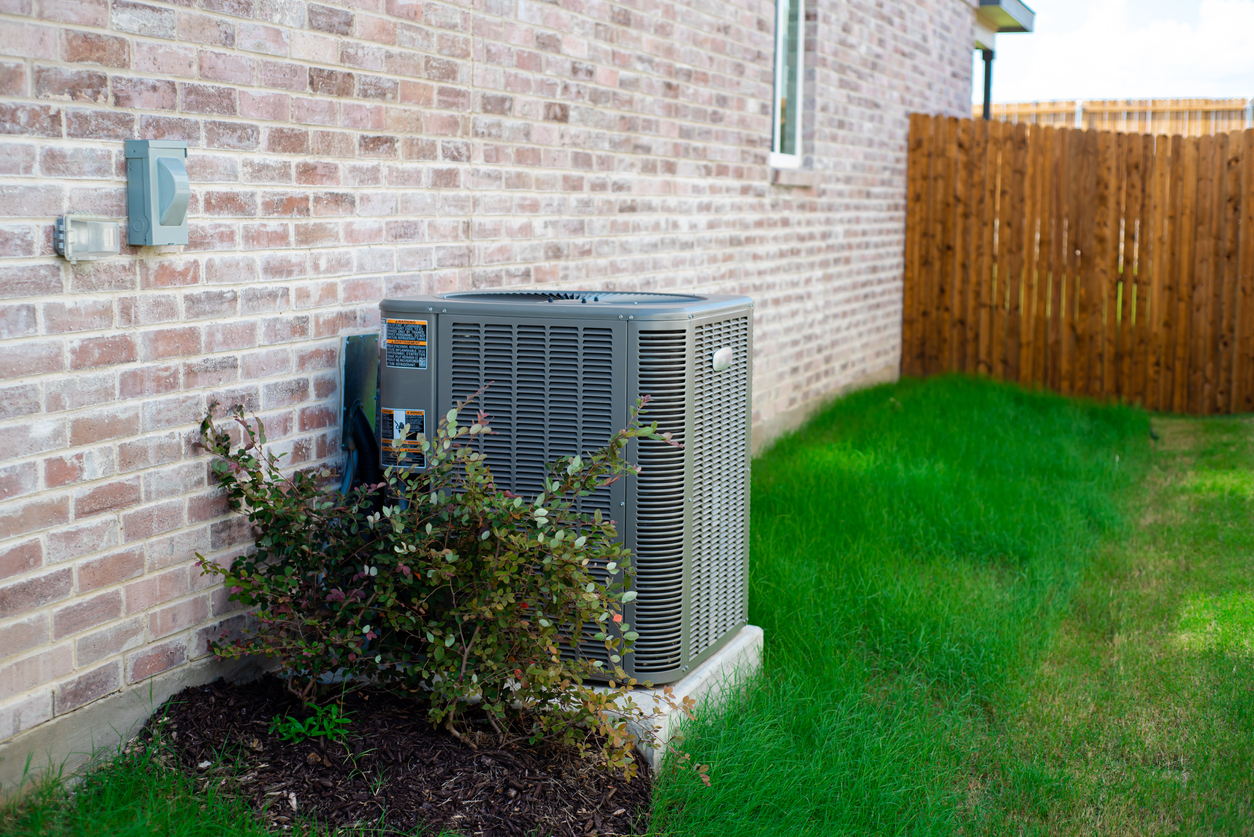
Filters are the cheapest maintenance you will ever do and the most commonly neglected. A clogged filter restricts airflow, which makes the system work harder, raises your bill, and in bad cases freezes the evaporator coil and shuts cooling down entirely.
The box usually says 90 days. In Katy, during summer, that is optimistic. Here is a more useful guide:
Peak cooling season runs May through September here, and your system moves far more air during those months than it does in winter. Check the filter monthly during that window even if you do not change it every time.
Most homes here have one of two setups. Either the filter slides into a slot at the furnace or air handler, in a hall closet, garage or attic, or it sits behind a return grille in a hallway ceiling or wall. In many Katy homes with attic air handlers, the filter is behind the big return grille in the upstairs hallway ceiling.
Homes with two or three systems have a filter for each one, and some systems have more than one return. Find every one of them the first time and note the sizes, so nothing gets missed.
The size is printed on the edge of the old filter, for example 20x25x1. Buy that exact size. A filter that is too small leaves gaps where dirty air bypasses it and coats the coil, and one that has to be forced in can bow and leak around the edges.
Higher is not automatically better. MERV measures how fine a particle the filter captures, but a denser filter also restricts more airflow. Residential systems generally do well in the MERV 8 to 11 range. Push much past that on standard equipment and you can starve the blower, which causes the same problems a dirty filter does.
If someone in the house has significant allergies, a better answer than a very high MERV filter is usually a dedicated air cleaner sized for the system.
A media cabinet holds a filter four to five inches deep. All that extra pleat area means it can catch fine particles while restricting airflow less than a dense 1-inch filter, and it only needs changing every six to twelve months. If you are changing 1-inch filters monthly and still fighting dust, a media cabinet is a worthwhile upgrade we can install during a maintenance visit or a replacement.
Every filter has an arrow printed on the frame. It points toward the furnace or air handler, in the direction the air travels. Installed backwards, the filter loses much of its effectiveness and can collapse against the frame.
When airflow drops, the indoor coil gets colder than it should and can freeze. Ice blocks even more airflow, the house stops cooling, and when the ice finally melts it can overflow the drain pan and stain the ceiling under an attic unit. Meanwhile the blower works harder and the system runs longer for less cooling. A frozen coil is one of the most common no-cool calls we get, and a matted filter is often the reason. See 5 signs your AC is about to fail.
Write the date on the filter edge in marker when you install it. It removes all guesswork the next time you look, and it takes two seconds.
If you pull a filter and it is grey and matted, your system has been fighting that restriction for a while. Change it, then keep an eye on whether cooling improves over the next day.
Only if it is sold as a washable filter. Standard pleated and fiberglass filters are disposable, and washing them damages the media.
Yes. Restricted airflow lets the indoor coil drop below freezing. Turn the system off, replace the filter, and let the ice melt before running it again. If it freezes again with a clean filter, call for service.
Yes. The filter protects the blower, coil and ducts. A purifier or air cleaner is an addition, not a replacement.
Up to a point. MERV 8 to 11 suits most systems. Beyond that, a properly sized media filter or air cleaner protects both your lungs and your airflow.
We check filters on every maintenance visit and can recommend the right size and rating for each system. See our indoor air quality options or book a tune-up, or call 281-222-9591.
© 2026 Beede AC & Heating LLC. All rights reserved.
Electrical services by Beede Electrical LLC, TECL 93748.



.svg)
%20(1).png)

.svg)


