Heat pump, gas furnace or dual fuel? How I help Katy and Cypress homeowners pick the right heating system for Gulf Coast winters.

Houston heating is not a Minnesota heating problem. In Katy and Cypress, the system has to survive a long cooling season, handle sticky shoulder months, and still keep the house safe when a February freeze rolls through. That is why the best home heating system here is usually a heat pump, gas furnace, or a dual-fuel setup—not a boiler or radiant system.
Here is how I narrow it down on real calls. Start with the home’s gas service, insulation, ductwork, electrical capacity, and whether humidity control matters as much as heat. Then compare the operating cost and the cold-weather backup plan. If you need a hands-on answer, our heating service team can inspect the system rather than guess from a square-footage number.
A heat pump is the default choice for many newer homes in Cinco Ranch, Cross Creek Ranch, Elyson, Bridgeland, and Towne Lake. It cools in summer and reverses direction to heat in winter. Because it moves heat instead of making it, it is very efficient during our typical 40–65°F winter days.
A gas furnace makes sense when the home already has a sound gas line, the homeowner wants strong high-heat output during a freeze, or the outdoor equipment is a conventional AC rather than a heat pump. A furnace still needs a separate AC condenser for summer.
Dual fuel pairs a heat pump with a gas furnace. The heat pump handles normal weather; the furnace takes over below the balance point set by the installer. It costs more upfront, but it is the most capable option for homeowners who want efficient cooling, efficient mild-weather heating, and real gas heat when the weather turns ugly.
For a properly sized system, expect roughly $8,000–$20,000+ installed for a standard heat-pump replacement, depending on tonnage, efficiency, duct changes, electrical work, and controls. Look beyond the old SEER number: in 2026, compare the cooling efficiency rating (SEER2) and heating rating (HSPF2). A higher HSPF2 means better heating efficiency; I would not choose a bargain model solely because it has a high cooling rating.
The catch is backup heat. Many all-electric systems use electric heat strips. Those strips work, but they are expensive to run and should not become the main heat source all winter. Good setup, correct thermostat programming, and a sound outdoor unit matter.
A replacement gas furnace commonly runs $3,500–$7,000 when the existing AC is staying in place. For efficiency, avoid very low-end equipment. An 80% AFUE furnace is common in our climate, while 90%+ AFUE units save more fuel but may require different venting and condensate routing. AFUE is annual fuel utilization efficiency: an 80% unit turns about 80 cents of every gas dollar into heat.
Gas heat comes on hot and does not lose capacity when the outdoor temperature drops. The tradeoff is separate cooling equipment, combustion safety checks, and a little less mild-weather efficiency than a heat pump.
A full dual-fuel replacement typically lands around $9,000–$18,000. It is not automatically “better” for every home. It is a good fit if you already have gas, expect to stay in the home, and care about resilience during a hard freeze. The installer must set the switchover temperature correctly and verify that the thermostat is actually controlling the equipment as designed.
A three-ton unit is not right simply because the neighbor has a three-ton unit. Windows, roof orientation, attic insulation, ducts, air leakage, and occupancy change the load. I want a room-by-room Manual J load calculation before a full replacement. Oversizing short-cycles the system, hurts humidity removal, and can leave a Katy home feeling clammy even when the thermostat says 72°F.
Your duct system is part of the decision, too. A new variable-speed heat pump attached to undersized return ducts will still be noisy and unhappy. If your current system struggles upstairs, has weak bedrooms, or has a loud return grille, ask for static-pressure measurements and duct recommendations with the proposal.
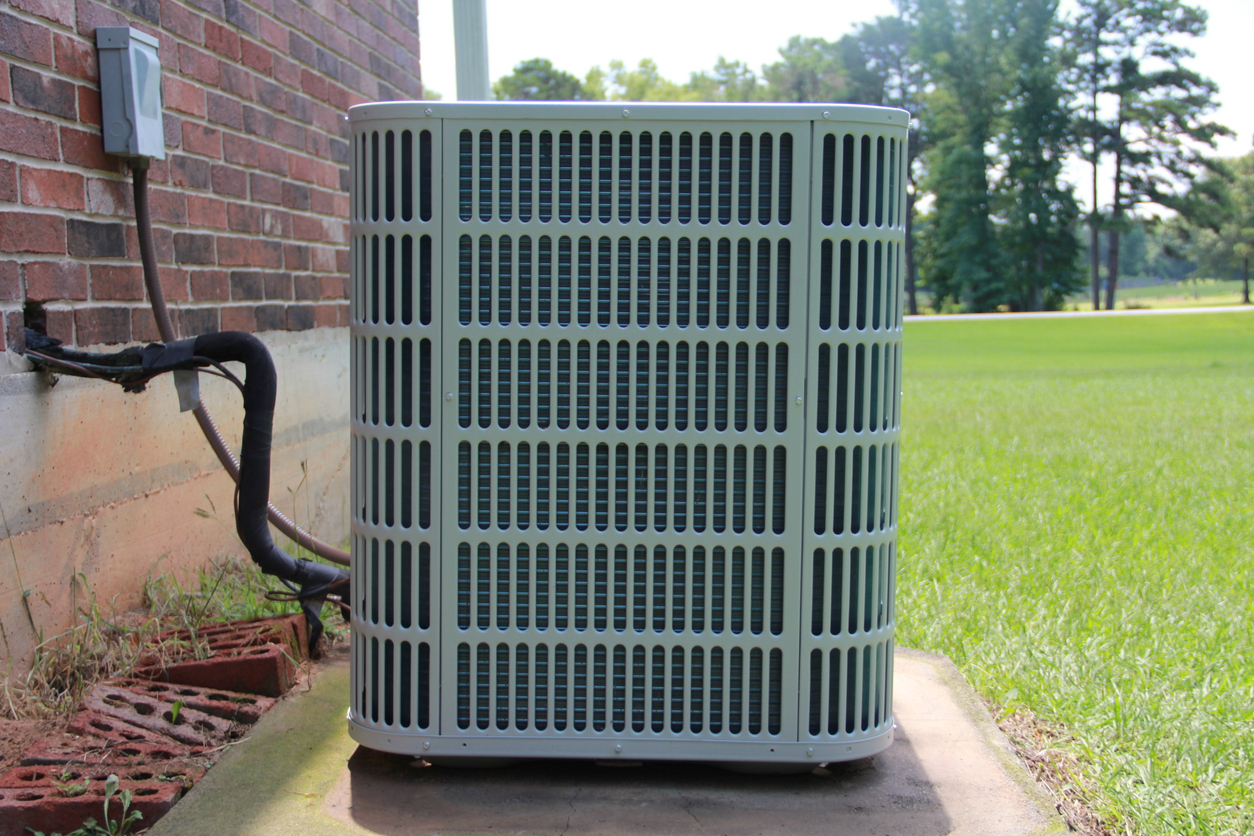
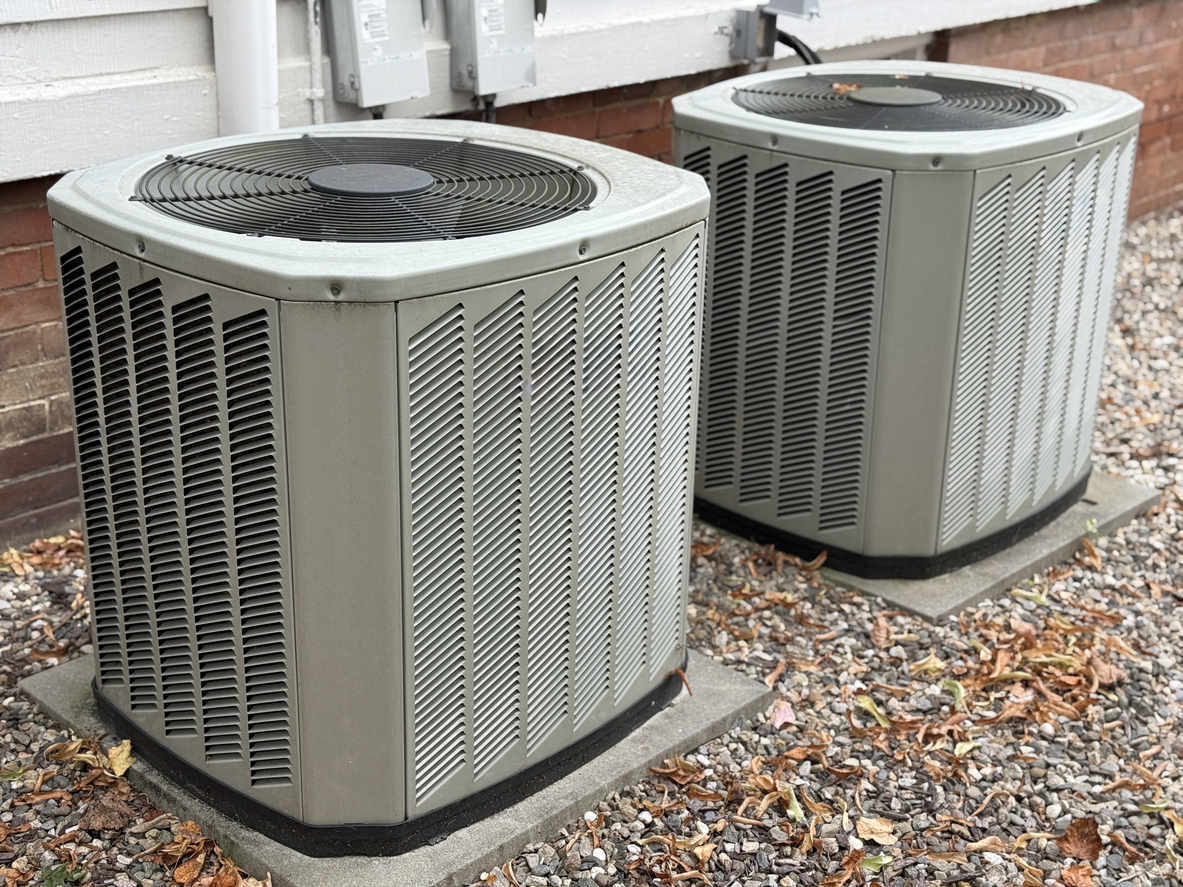
When the forecast falls below freezing, set the thermostat to at least 68°F and leave it there. Do not turn the system off overnight to “save” energy. For a heat pump, keep the outdoor unit clear of leaves and do not cover it while operating. If auxiliary heat comes on during a cold morning, that is not automatically a failure; repeated auxiliary heat in mild weather is worth a service call.
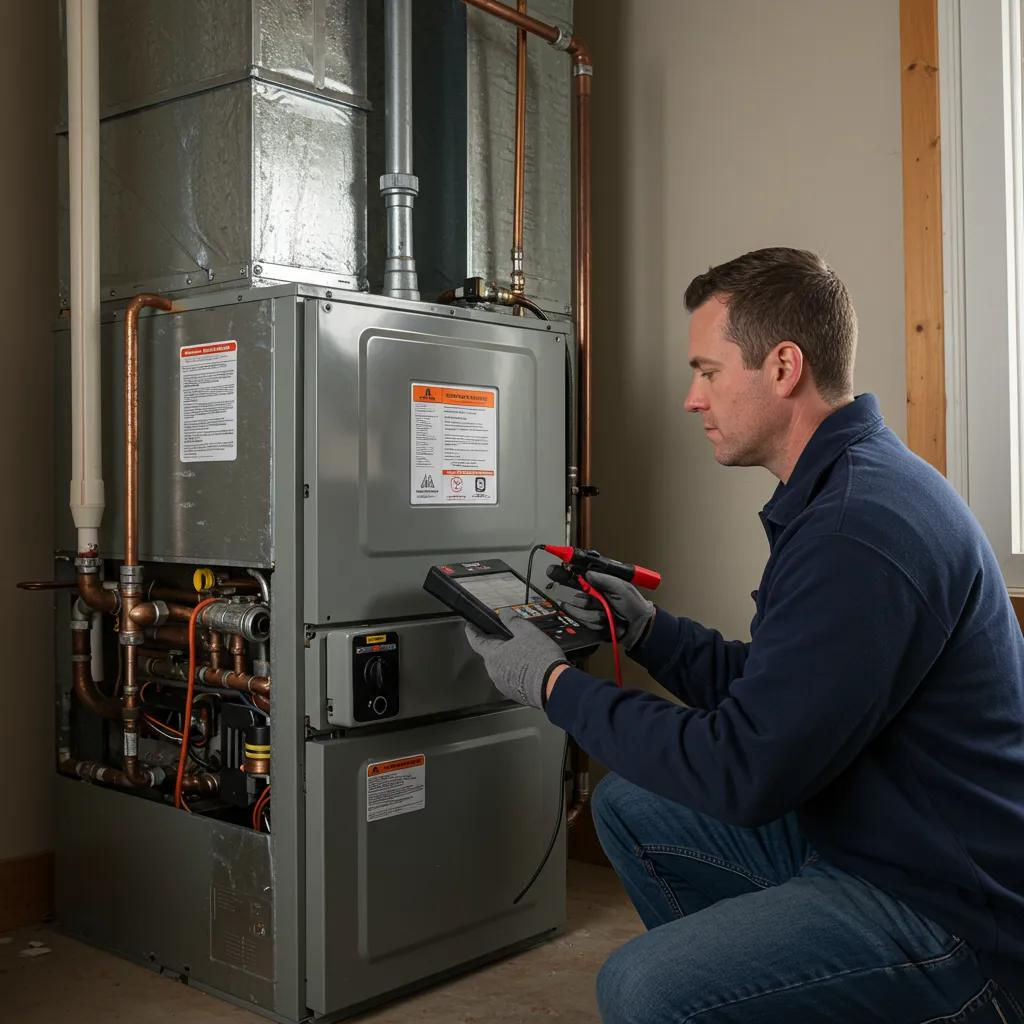
For gas furnaces, replace a restrictive filter before the cold snap, confirm the return and supply vents are open, and test the heat before the first hard freeze. If you smell gas, see a yellow burner flame, or the carbon-monoxide alarm sounds, leave the home and contact the gas utility or emergency services. That is not a DIY adjustment.
A fall inspection through our maintenance plan is the clean way to catch failed igniters, weak capacitors, dirty flame sensors, and drain issues before a 5 a.m. freeze call.
For most all-electric Katy, Cypress, and Cinco Ranch homes, a properly sized heat pump with thoughtful controls is the sensible choice. For homes with available natural gas and owners who want maximum cold-weather confidence, dual fuel is hard to beat. A gas furnace with a conventional AC remains a solid, straightforward choice when the budget or existing setup supports it.
Before buying, get a written scope that lists the equipment model numbers, efficiency ratings, electrical or duct work, warranty, permit responsibility, and startup measurements. Read our guide to repair or replace an AC in Houston if your cooling equipment is part of this decision, and see our Katy service area page for local service coverage.
Yes. Heat pumps are especially efficient in Houston’s usual mild winter weather. The key is correctly sized equipment, functioning backup heat, and a thermostat programmed for the system.
An 80% AFUE gas furnace is often practical here. A 90%+ unit can make sense, but compare the added installation and venting cost with your expected gas use.
It can be if you have natural gas, plan to stay in the home, and want the heat pump’s efficiency with gas-furnace backup during freezes.
With twice-yearly service and clean airflow, many systems last 12–15 years. Neglected coils, drains, and electrical parts shorten that life.
Sometimes. A technician should measure airflow and static pressure first; duct restrictions can keep a new system from performing as promised.
Beede AC & Heating serves Katy, Cypress, Cinco Ranch, Memorial, and West Houston. Same-day service most days, honest diagnosis, no upsells.
📞 Call 281-222-9591
🗓️ Book online →
📍 See our service areas
Master-tech supervised. TDLR licensed. 5-star rated on Google.
About the author: Galen is the master HVAC tech at Beede AC & Heating, running service and installations across Katy, Cypress, Cinco Ranch, and Memorial. EPA 608 Universal, TDLR licensed. If it's blowing warm air, he's probably seen it.
© 2026 Beede AC & Heating LLC. All rights reserved.
Electrical services by Beede Electrical LLC, TECL 93748.



.svg)
%20(1).png)

.svg)


