After the 2024 derecho and Hurricane Beryl, backup power is on a lot of minds. How standby generators work, how they are sized, and what upkeep they need.

Houston has had a hard few years for the power grid. The 2021 winter storm, the May 2024 derecho and Hurricane Beryl that July each left large parts of the area in the dark, and Beryl knocked out power to more than two million CenterPoint customers, some of them for over a week in July heat. For a lot of Katy and West Houston families, that was the moment a standby generator went from nice-to-have to on the list.
Here is how whole-home standby generators work, how they are sized, and what it takes to install and maintain one.
A standby generator is permanently installed outside, runs on natural gas or propane, and starts automatically within seconds of an outage. An automatic transfer switch disconnects the house from the grid and connects it to the generator, then switches back when utility power returns. You do not have to be home.
A portable generator is cheaper, but it needs fuel, an operator and a properly installed transfer switch or interlock. Never plug a portable generator into a dryer outlet to backfeed the house: it can electrocute utility workers and damage your home. And never run one in a garage or near a window. Carbon monoxide from portable generators kills people after major Texas storms.
Sizing starts with what you want to run. A generator sized for the essentials covers the refrigerator, lights, outlets, internet, and a gas furnace blower or a smaller AC. A whole-home generator covers everything, including central air, which is the biggest load in most Houston homes.
Air-cooled home standby units commonly range from about 10 to 26 kilowatts. Load management modules let a smaller generator run the whole house by pausing big loads, like a second AC system or an electric dryer, when the generator is near capacity. Homes with two or three AC systems are common here, and they usually need either a larger generator or smart load management. We size it with a load calculation, not a guess.
Most standby generators in the Houston area run on natural gas, which means no refueling during a long outage. The gas meter and piping have to supply the generator and your other gas appliances at the same time; sometimes the gas utility needs to upgrade the meter, and the gas line must be sized and installed by a licensed plumber. In parts of Fulshear, Brookshire, Sealy and other areas without natural gas, propane with a properly sized tank is the alternative.
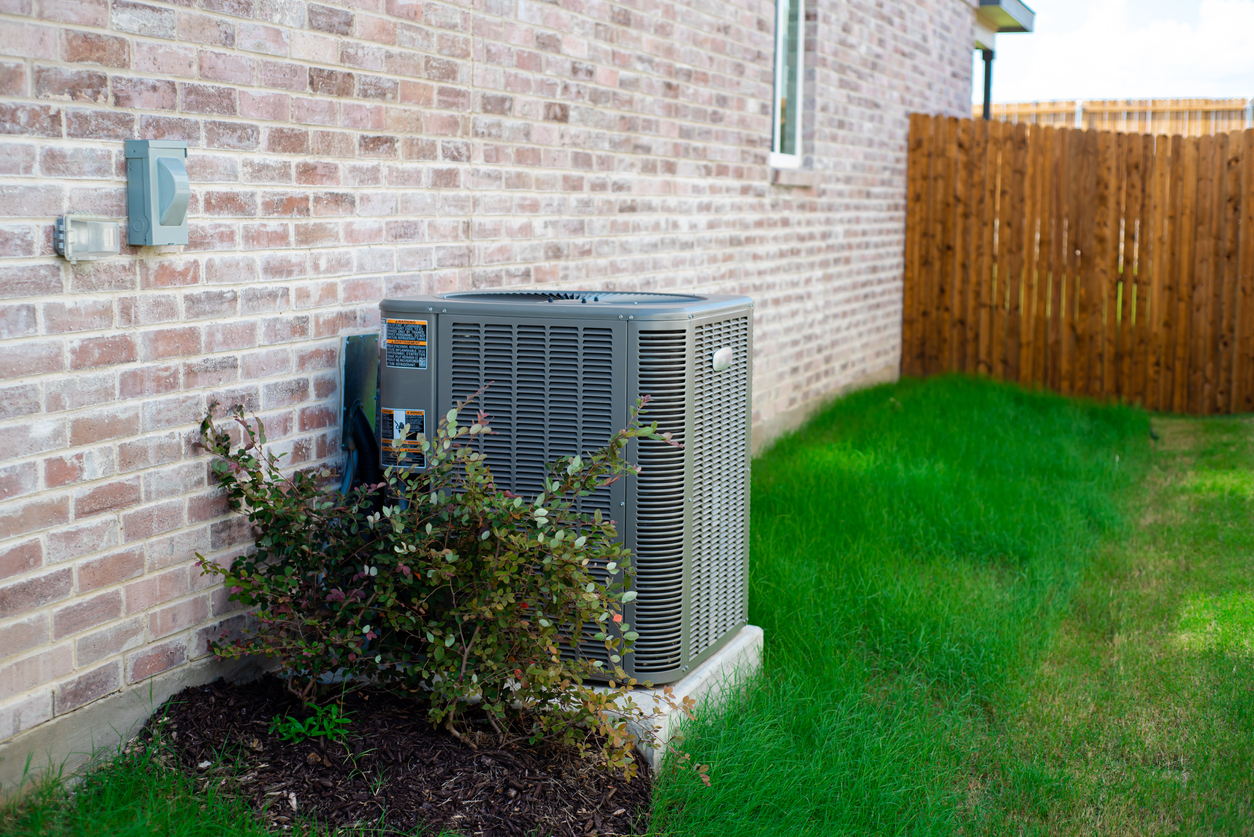
Manufacturers set minimum clearances from windows, doors, vents and the house itself, and the unit sits on a level pad. In flood-prone areas, the pad height matters: a generator that floods is no help in the storm it was bought for. In master-planned communities, HOA approval is often required for placement and screening. Inside city limits, the electrical and gas work typically need permits and inspections.
A standby generator sits idle for months, then has to start on the worst day of the year. Most run a short self-test on a regular schedule, which doubles as a reminder that it works. Beyond that, plan on professional maintenance at least once a year: oil and filter change, spark plugs, a battery test and replacement as needed, valve adjustment where the manufacturer calls for it, and a check of the transfer switch. The best time is spring, before hurricane season starts on June 1. See generator maintenance.
Outages end with surges, and transfer events can be hard on sensitive electronics. Variable-speed air conditioners use inverter boards that are expensive to replace. A whole-house surge protector installed alongside the generator is inexpensive insurance. If the house has been without power for a while, let the AC sit off for a few minutes after power returns before turning it back on.
On natural gas, as long as the gas supply holds and you follow the manufacturer's service intervals during an extended outage. Propane runtime depends on the tank size.
Yes, if it is sized for it. AC compressors draw a surge when they start, so the generator and any load management have to account for that. A soft-start kit on the AC can reduce the starting surge.
The on-site work usually takes a few days, but equipment availability, permits, HOA approval and any gas meter upgrade often take longer than the install itself. Plan well before hurricane season.
Inside city limits, a standby generator typically needs electrical and gas permits and inspections. We coordinate the electrical side and the gas work with a licensed plumber.
We will help you decide what to back up, size the generator and transfer switch, and handle the installation and maintenance. See standby generator installation, book online, or call 281-222-9591.
Electrical work is performed by Beede Electrical LLC, Texas Electrical Contractor License TECL 93748.
© 2026 Beede AC & Heating LLC. All rights reserved.
Electrical services by Beede Electrical LLC, TECL 93748.
.png)


.svg)
%20(1).png)

.svg)


