A tripping breaker is a safety device doing its job. Here is how to tell what is causing it, what you can safely check, and when it needs an electrician.

A breaker that trips is doing exactly what it was designed to do: cutting power before a problem turns into a fire. The question is why it is tripping. Sometimes the answer is a space heater and a hair dryer on the same circuit. Sometimes it is a loose connection overheating inside a wall. Here is how to tell the difference, what you can safely check yourself, and when to stop resetting it and call an electrician.
Every circuit in your panel is protected by a breaker sized for the wire it feeds. Standard breakers trip on two things: too much current for too long (an overload) or a sudden surge of current (a short circuit). Many homes also have two special types of protection:
Knowing which kind of breaker or outlet is tripping is the first clue.
The most common cause, especially in kitchens, home offices and garages. A microwave, toaster oven and coffee maker on one countertop circuit can do it; so can a space heater, a window unit or a garage freezer sharing a circuit with power tools. The breaker usually trips after the load has been running for a few seconds or minutes. Moving one appliance to another circuit often solves it, but a circuit that trips under normal daily use may need a dedicated circuit.
A short happens when a hot wire touches a neutral or ground, inside an appliance, a cord, an outlet or the wiring itself. The breaker trips instantly, sometimes with a pop, a spark or a burning smell. If a breaker trips the moment you reset it, even with everything unplugged, that points to a short in the wiring and needs an electrician.
Ground faults are common in this area because of moisture. An outdoor or patio outlet that trips after rain, a bathroom GFCI that trips when the shower runs, or a garage outlet feeding an old freezer are classic examples. Water in a cover that is not truly weatherproof, or a failing appliance motor, can leak current to ground.
AFCI breakers trip when they detect arcing from a loose connection, a nail through a wire, or a damaged cord. They can also trip with certain older appliances or vacuum motors. An occasional trip when the vacuum runs is a nuisance; frequent trips with nothing unusual running deserve a closer look, because arcing is exactly what starts electrical fires.
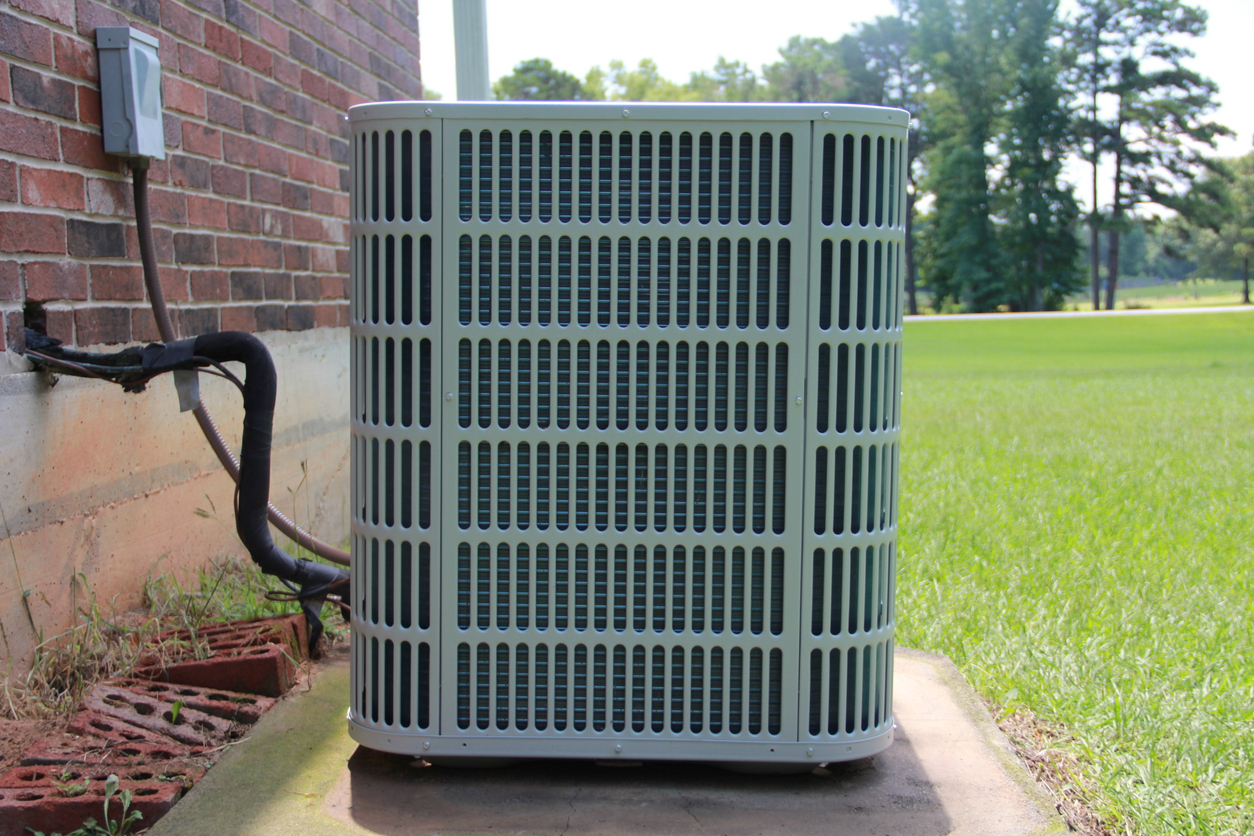
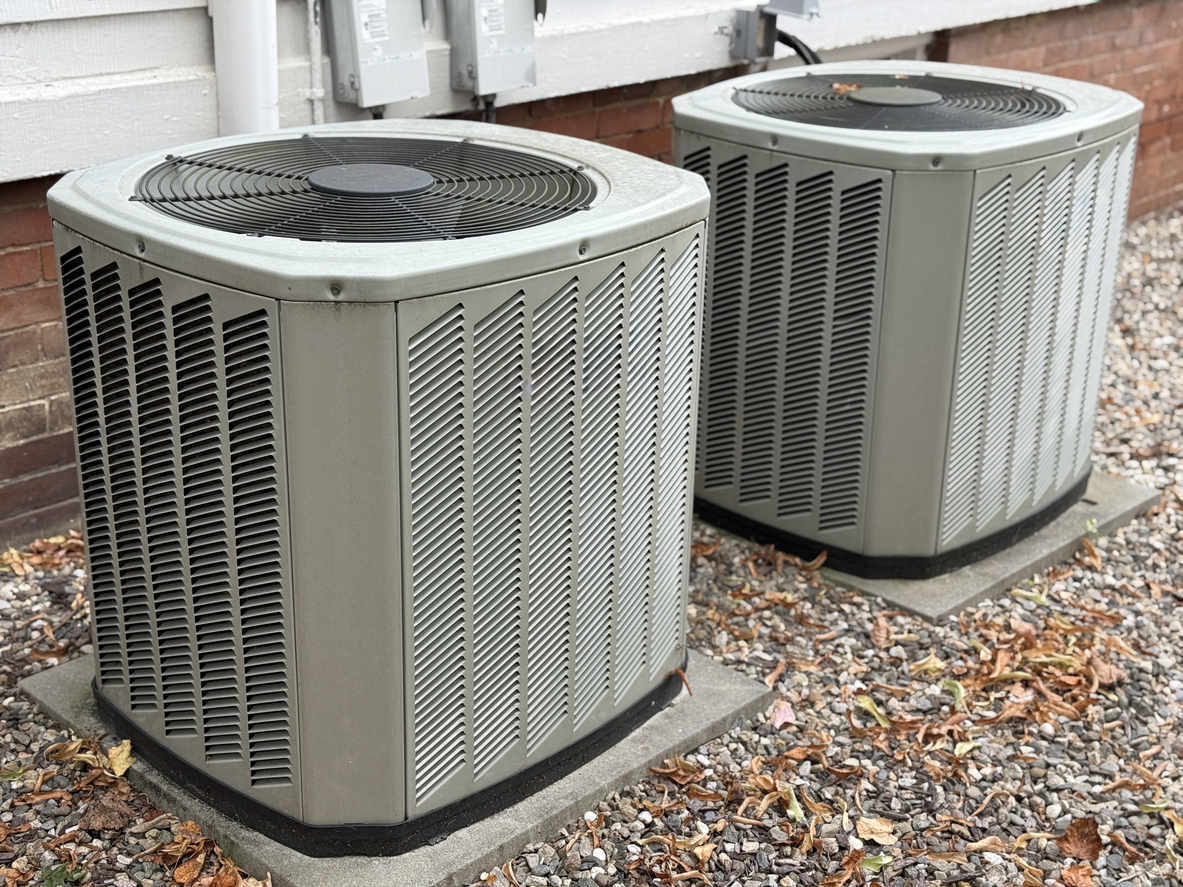
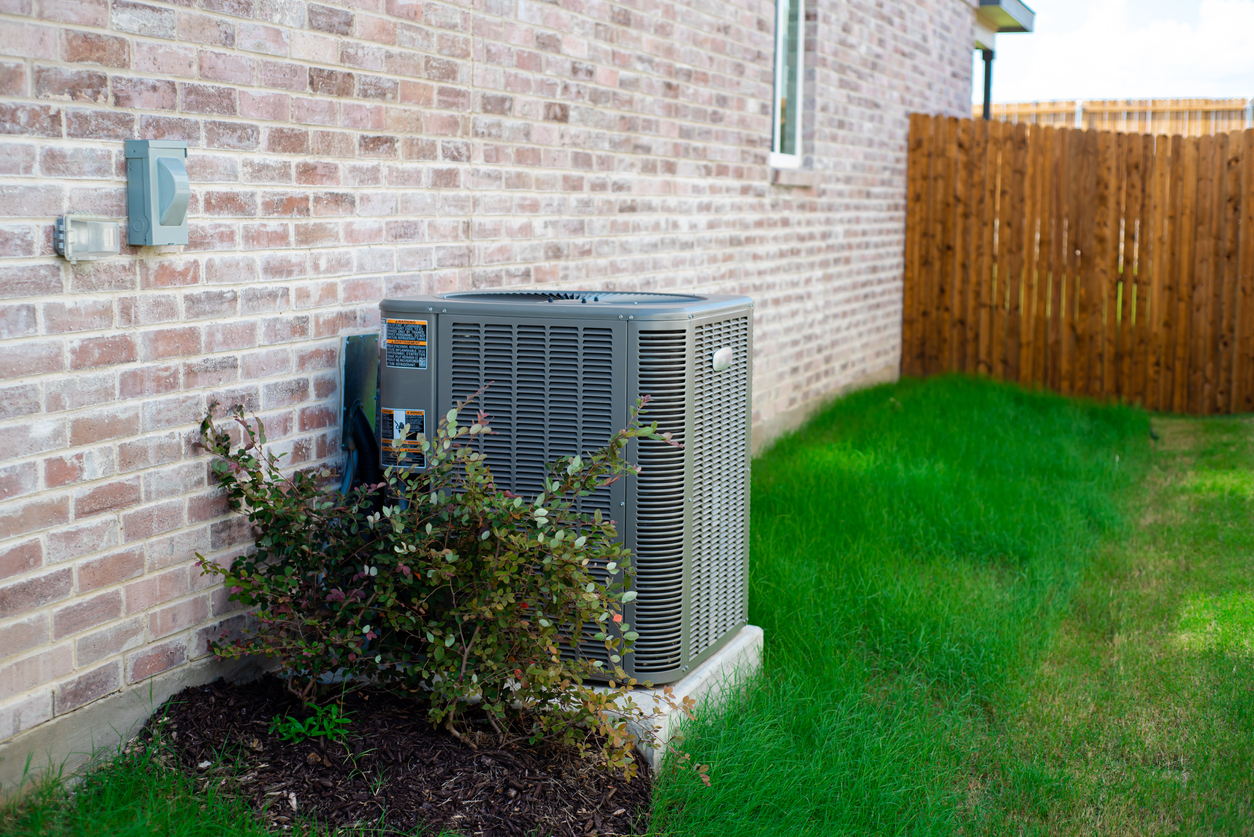
If the breaker for your outdoor AC unit trips, do not keep resetting it. Common causes are a failing capacitor, a compressor that is struggling to start, a shorted fan motor, or a wiring problem in the unit. Repeated resets can turn a capacitor replacement into a compressor replacement. Leave it off and call. We handle both sides of that problem: our AC repair team diagnoses the equipment, and our electricians handle the circuit.
Never tape a breaker on, replace it with a larger one, or keep resetting a breaker that trips immediately. A larger breaker on the same wire removes the protection that keeps the wire from overheating.
If anything is smoking or hot to the touch, turn off the main breaker if it is safe to do so and call for help.
We start by finding out which circuit is tripping and why: testing the breaker, measuring the load, and checking connections at the panel, outlets and fixtures on that circuit. You get written findings and an upfront price before we fix anything. Sometimes the answer is a new dedicated circuit for a kitchen or garage; sometimes it is a loose neutral or a worn-out breaker; occasionally it is a panel that needs replacing. See electrical repair and, for urgent problems, our emergency electrician service.
The trip itself is the safety system working. The danger is ignoring the cause. Repeated trips mean something is overloaded, shorted, leaking to ground or arcing, and each of those can damage equipment or start a fire.
Yes. Breakers wear out, especially after many trips or in older panels. A weak breaker can trip below its rating, and some older brands are known for failing to trip at all. An electrician can test it.
Usually a ground fault on an outdoor circuit: water in an outlet box, a damaged outdoor cord, landscape lighting, or a pool or spa component. Have it found and fixed rather than leaving the outlet off.
It depends on the cause. Replacing a breaker or tightening a connection is a small job; adding a dedicated circuit or replacing a panel is a bigger one. We diagnose first and price the fix before we start.
Beede Electrical serves Katy, Cypress, Richmond and West Houston with the same upfront approach our HVAC customers know. Book online or call 281-222-9591. Beede Preferred members get 10% off residential electrical work.
Electrical work is performed by Beede Electrical LLC, Texas Electrical Contractor License TECL 93748.
© 2026 Beede AC & Heating LLC. All rights reserved.
Electrical services by Beede Electrical LLC, TECL 93748.
.png)


.svg)
%20(1).png)

.svg)


